
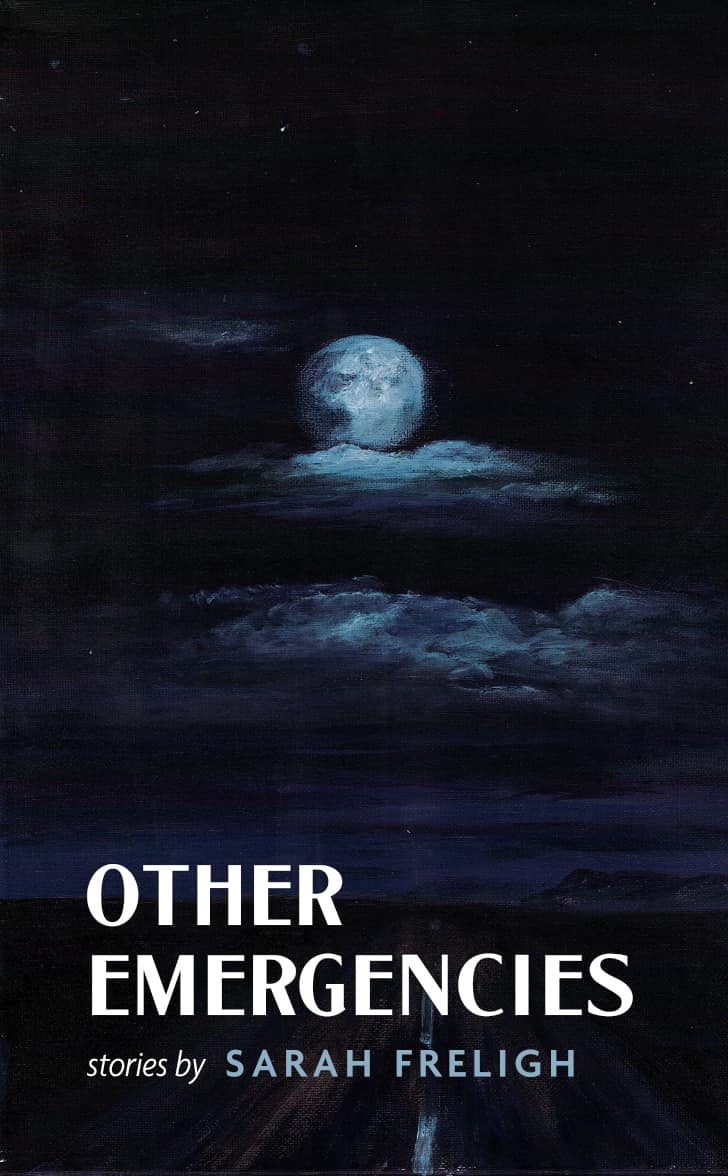
“Reading Sarah Freligh’s new, boldly big-hearted collection left me with pages of scribbled quotes (‘the air feels full of arrows’; ‘like beauty is an achievement instead of an accident’). She’s a wizard with words, creating grieving characters layered with fragility and resilience, who face life’s unexpected sorrows with sly humor and verve: ending up with the wrong cat from the boarding kennel; randomly kidnapping a bank teller; a cop reporting a teenage girl’s death as she stands next to her mother. You’re in the hands of a master here.”
—Leslie Pietrzyk, author of Admit This to No One
“In stories rife with bitter heartbreak, senseless gun violence, and bad literary agents, Sarah Freligh mines grief for humor, matching wit with sorrow and coupling anger with grace. A knock-down, drag-out collection from a singular voice.”
—David James Poissant, author of Lake Life and The Heaven of Animals
“Freligh writes about disappointment like a luminous funhouse. These stories glow through the cracks of the crumbling American Dream. With wit and biting precision, she shows us hurt, but reminds us we’re allowed to laugh, to feel awed, and, best of all, to feel less alone in our own stumbles. Freligh is a masterful writer, who breathes such life into her wounded characters with her blazing prose.”
—Dustin M. Hoffman, author of Such a Good Man
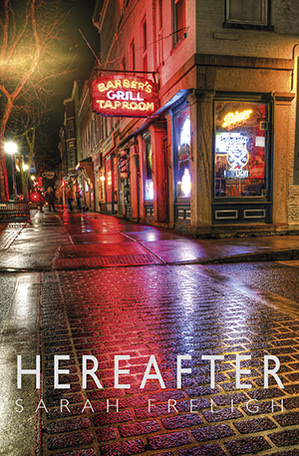
Hereafter is a gorgeous and devastating triumph. This award-winning novella follows Pattylee’s journey from early motherhood through the fog of bereavement after she loses her teenage son to brain cancer. Infused with surprising imagery and textured, poetic language, Sarah Freligh guides us through the oft-fractured landscape of grief and memory, time and hope. This is prose that sparks with remarkable depth and emotional honesty. In her signature micro-style, Freligh delivers a true masterclass of the novella-in-flash form.
— Sara Hills, author of The Evolution of Birds
Sarah Freligh is a foremost voice, if not the foremost voice, in the world of micros – those deceptively small stories that explode beyond their word counts. Her ability to squeeze an entire world into a story the size of a hand is on full and glorious display in Hereafter where Freligh has micro’d her way into perfection. This is a poignant novella, with Freligh’s signature working class protagonist, in this case Pattylee, whose world is a quiet tornado of grief. Written in that blend of accessibility and exquisitely shaped poetic imagery that is so present in all her writing, Sarah Freligh’s Hereafter will tear you up from the inside-out. And then you will want to read it once more to feel the ache all over again.
—Francine Witt, author of RADIO WATER and The Way of the Wind
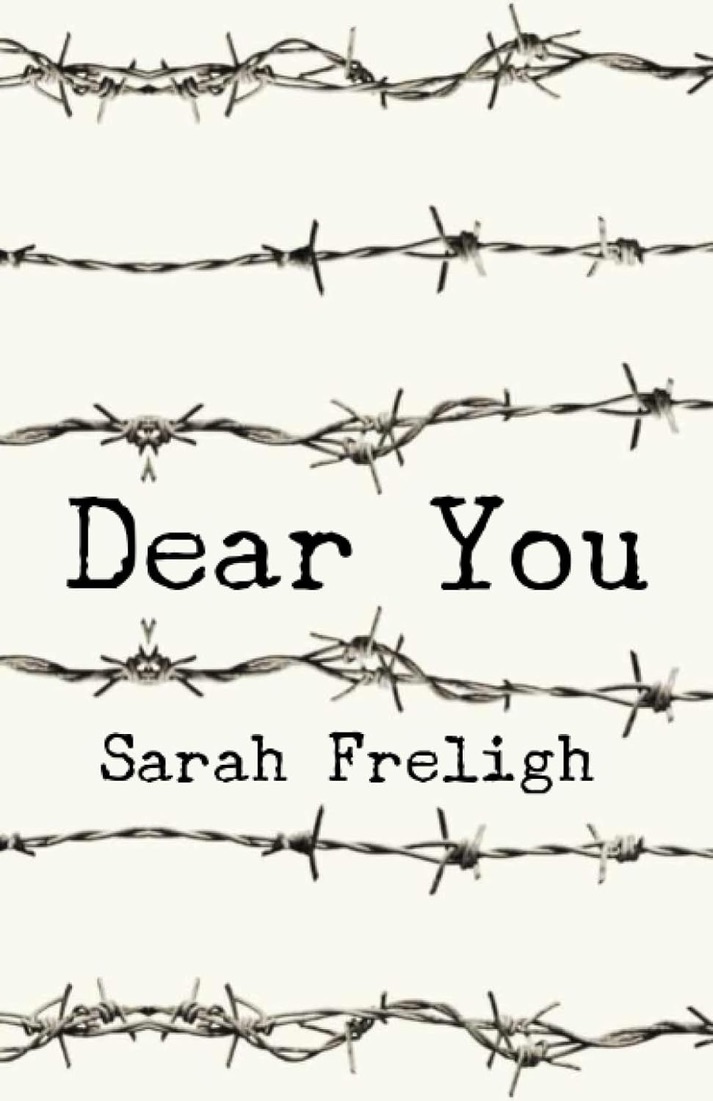
“In Dear You, Sarah Freligh dares to imagine the natural progression of today’s patriarchal hunger for power, for absolute domination—and its devastating consequences for women and girls. Brace yourself for this chilling, all-too-possible future of a diminished America. In the tradition of Atwood, this story delves into a depraved Evangelical view of women’s value in society, focusing specifically on the demonization of those who have chosen adoption over the state-sanctified role of motherhood. Readers have come to expect Freligh’s virtuoso style, her breathtaking passages and beautifully heartbreaking depictions of women’s lives. They won’t be disappointed by this new gem in Freligh’s oeuvre. Dear You is a compelling, gripping tale of oppression and freedom, of simple wants and complex loss, of friendship and the tricks of survival necessitated by life under a fanatical regime. Freligh pulls you in close, to the trembling heart of the story. You won’t be able to look away.”
—Myna Chang, author of The Potential of Radio and Rai
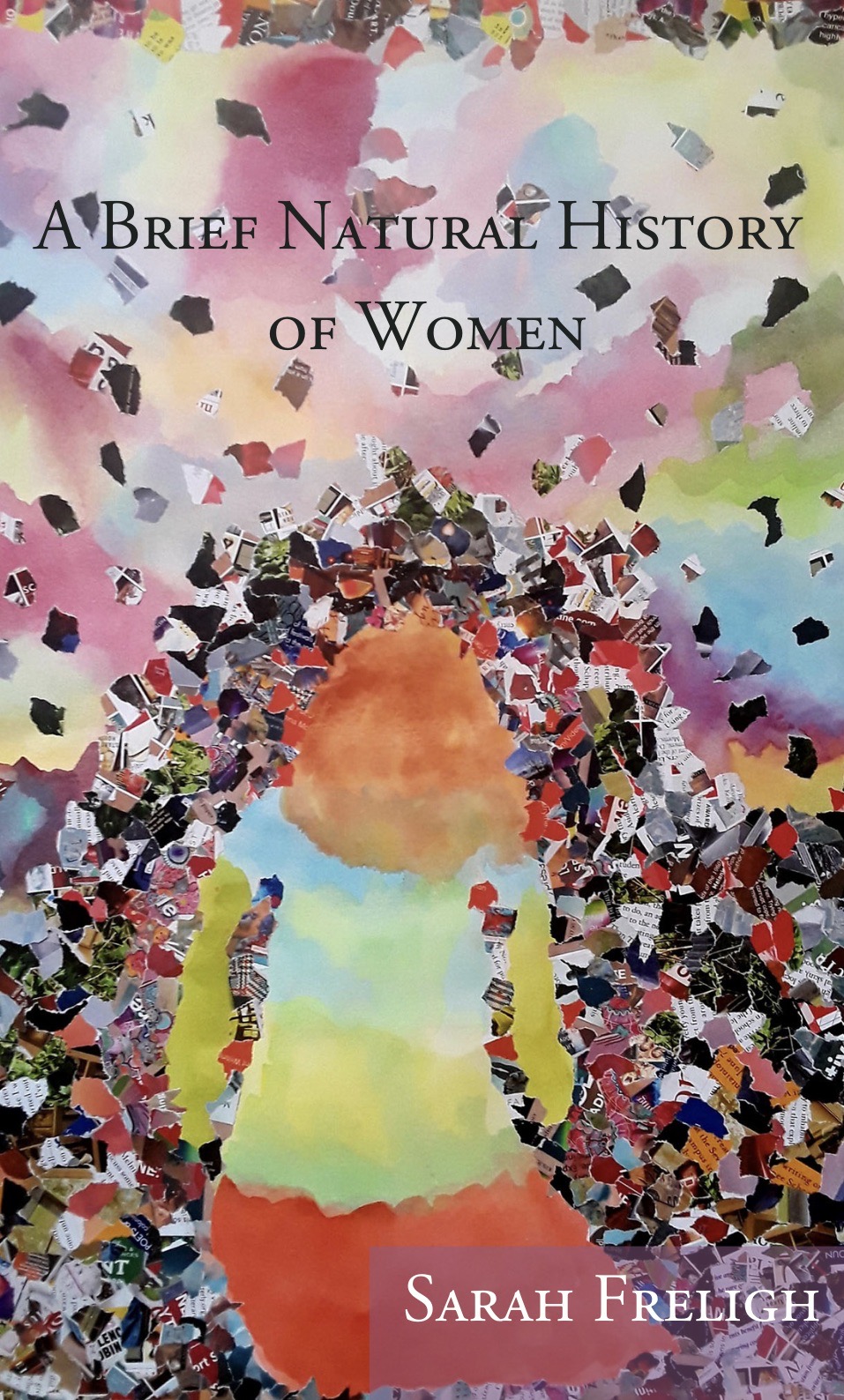
“Readers of Jayne Anne Phillips and Amy Hempel will fall in love with A Brief Natural History of Women, Sarah Freligh’s forceful and unforgettable new flash collection. Set in and around Detroit, her hard living characters may wish they “could unzip [them]selves and wear the dull side out,” but it is precisely how they embody their grief and grit and rage that make for such hard hitting stories. Freligh is a singular stylist and queen of compression whose work takes up boundless space in our hearts.”
—Sara Lippmann, author of Lech and Jerks.
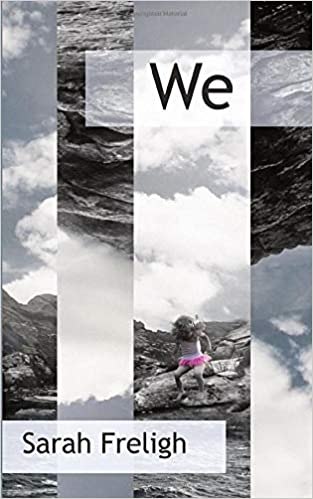
This me-too guide to We takes a deep dive into golf greens, mom & pops, cornfields, & figure salons to rescue the wreck eons of Kingship has wrought on everyone from the school shooter to Cassiopeia & the holy roller girl. Freligh’s voice is fresh & flagrant, tender as it is Olympic, the curse that works its own godspell—& this book broke my heart open.
–Jane Springer, author of Dear Blackbird and Murder Ballad
Winner of the 2015 Moon City Poetry Prize
In Sad Math, Sarah Freligh takes us for a ride through an American girlhood, a retrospective landscape of parking in cars and illicit kisses in a Donut Delite. Here, time is measured not only in days and years but in physical distance, a past that is understandable only when viewed through a rearview mirror. Along the way, there are not only losses, but also the accumulation of experience and the insistence of possibility.
“Sarah Freligh’s Sad Math is nothing less than a marvelous arc that captures and explores what it means for all sentient beings to age and find the unreasonable sum of years. Her feminist view heightens the notion of sacred disfigurement as we realize that language can never properly add or assess our grief. These stark poems are exposures that fade and yellow until her profane Kodacolor print becomes a kind of Giotto canvas, though a contemporary one where the man on TV ‘points to a red stain spreading across / a map and tells me it’s best to stay/ inside’.”
—Mark Irwin, author of American Urn: Selected Poems
“These are magnificent poems that never apologize or buckle even though they carry such spark and bite.”
—Aimee Nezhukumatathil, author of Oceanic

“If a healthy Keats had lived in Brooklyn, preferably during the Fifties, he would have written about baseball instead of Grecian urns and nightingales. We don’t have Keats, but we do have Sarah Freligh, who knows baseball, knows the talk, the poetry of the talk, and the game itself as a kind of poetry: swift, elegant articulations of motion, power, and speed. No one writes this well about baseball purely from imagination, and Freligh’s experience as a sportswriter serves her well, though her poems are as far from mere reportage as Keats is from Grantland Rice. If you love either baseball or poetry, you’ll love Sort of Gone; if you love them both, you’ll be sending copies to friends.”
—B.H. Fairchild, author of The Blue Buick: New and Selected Poems

Winner of the 2012 Accents Publishing Editor’s Choice Award
“In A Brief Natural History of an American Girl, Sarah Freligh pulls you into the car of a 1950’s girlhood and you stay, compelled by the journey through sexual awakening and into womanhood. It’s a difficult story. The narrator loses a lot–she gives kisses to the boss at Donut Delite, her virginity to a boy in a cornfield, her body to men she knows, or doesn’t. She gives away a baby. She buries her mother. And hope, ‘how easy to give her away.’ And yet not quite. Through the accumulation of experience, through the ability to look clearly and name what she sees, Freligh insists on possibility. The poems draw our attention, then elicit a shiver of recognition. This is what one girlhood looks like; this is what human experience looks like. The journey is not over, she reminds us. You ‘are not there yet.’”
—Wendy Mnookin, author of Dinner with Emerson
 Sarah Freligh